

Size of Pile:
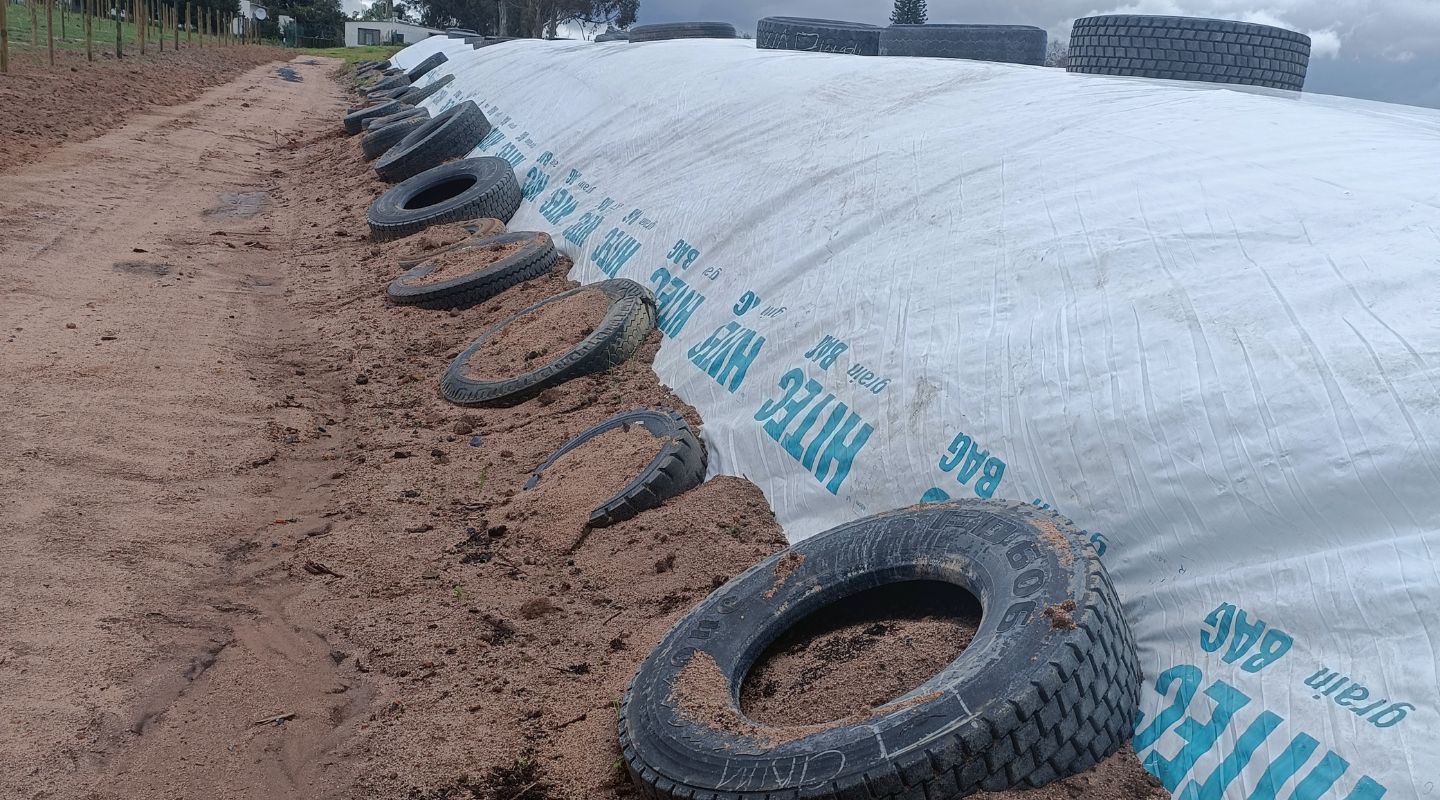
For optimal results in large-scale operations, your compost piles or windrows should be substantial enough to generate heat yet small enough to permit proper air circulation. Remember that when you get the size right, microbial activity increases significantly.

Moisture:
Maintain moisture levels at 50-60% - damp like a wrung-out sponge. If you notice the pile drying out, add water during turning. Conversely, if it becomes too wet, mix in more brown materials to absorb excess moisture.
Heat Management
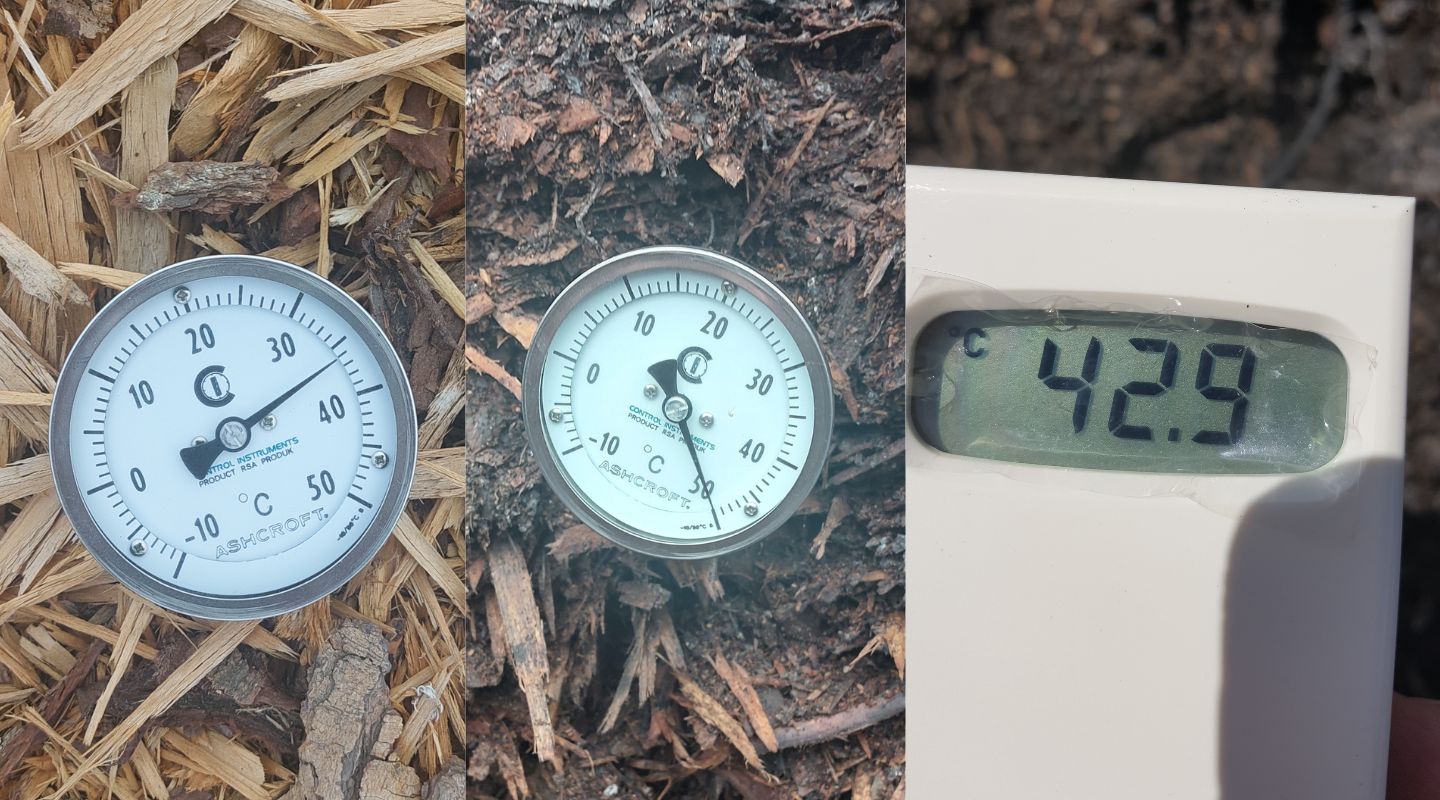
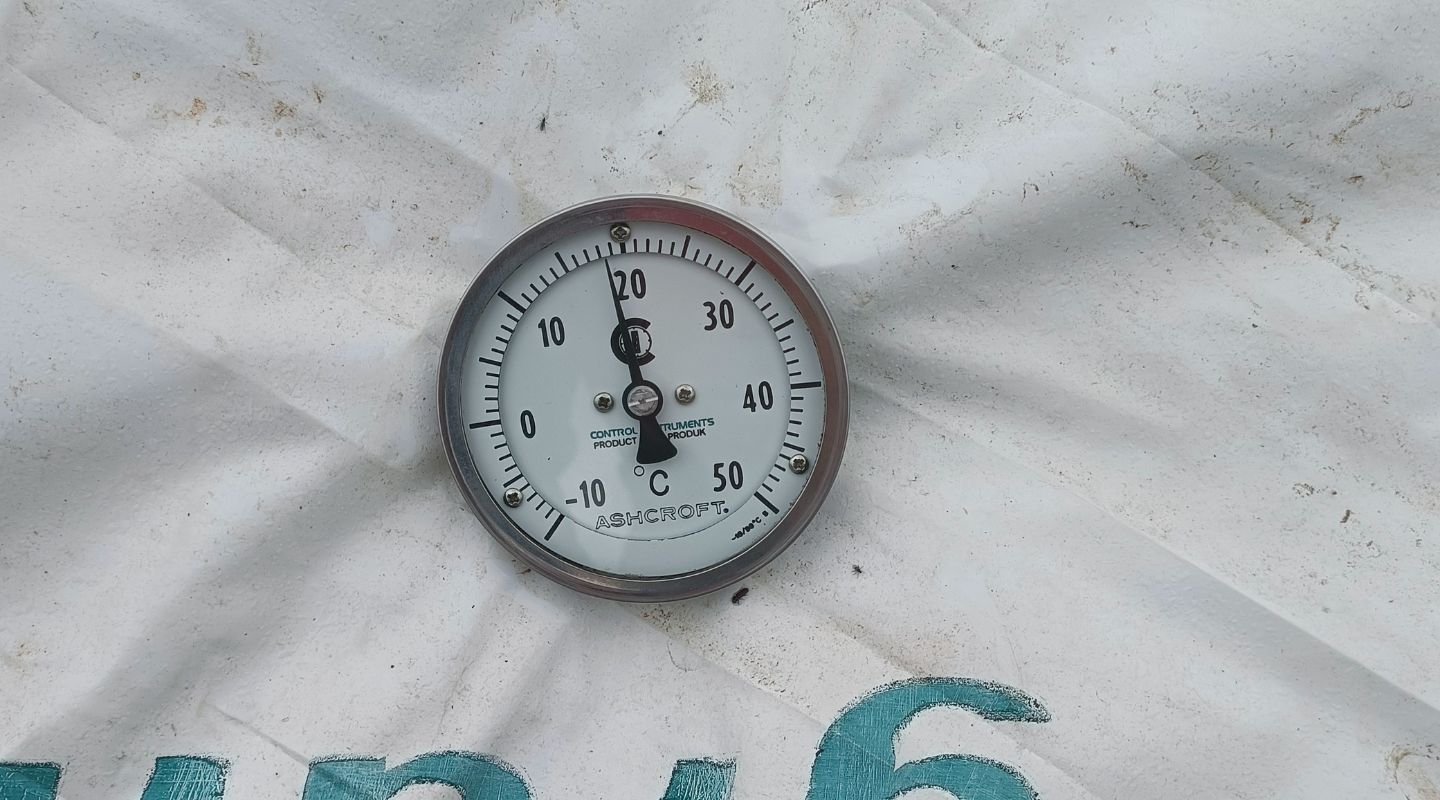
Monitor your pile's temperature closely, aiming for 130°F to 160°F (54°C to 71°C). At these temperatures, you'll achieve three important outcomes: rapid material breakdown, pathogen elimination, and weed seed destruction.

Thermometers
Insert thermometers at various depths to track thermal activity. When temperatures peak and then decline, that's your signal to turn the pile for renewed microbial activity.

Hot Conditions
Under ideal hot composting conditions, you'll produce finished compost in just 3-6 months. The material will transform into dark, crumbly goodness that smells like fresh earth.

Cooler Conditions
In cooler climates or with less frequent turning, the process extends longer. However, even slower decomposition still yields quality compost - it simply requires more patience.

Finished compost should be uniformly dark, crumbly, and earthy-smelling. When it reaches this state, you're ready to apply nature's perfect soil amendment to your fields.

Spread compost across field surfaces or incorporate it into the topsoil. For maximum efficiency in large operations, consider fertigation - adding compost to irrigation water for uniform nutrient distribution.
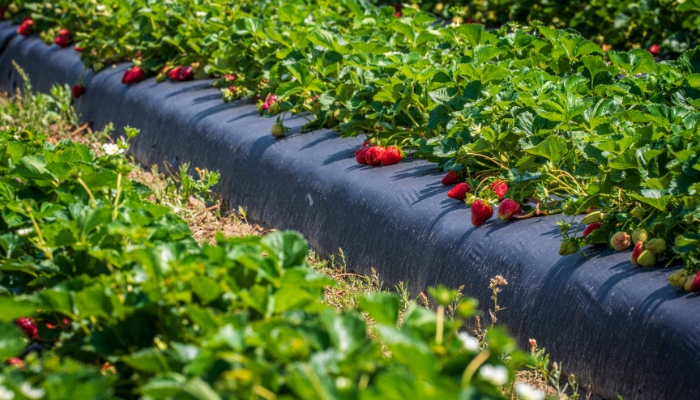
The magic of compost lies in its triple-action benefits: it enhances soil structure, boosts water retention, and stimulates microbial life. Together, these factors lead to stronger plants and significantly improved yields.
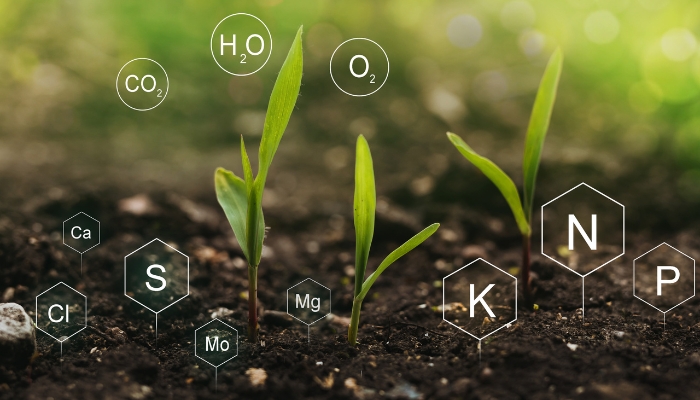
Improved Soil Fertility:
Compost delivers a complete nutrient package that feeds crops gradually. As plants absorb these nutrients, they grow more vigorously and produce higher-quality yields.
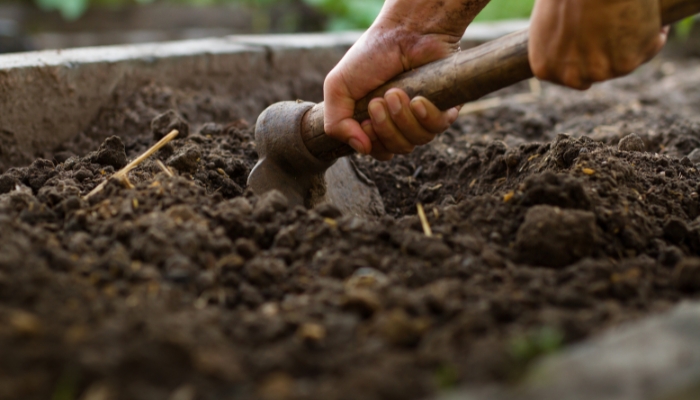
Soil Structure:
The organic matter in compost acts like a sponge and a loosening agent simultaneously. It binds soil particles into crumbly aggregates that roots penetrate easily while holding moisture effectively.
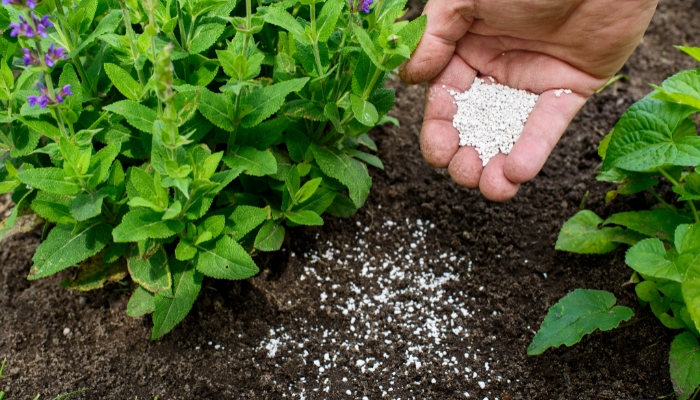
Reduced Chemical Inputs:
By using compost regularly, you'll gradually decrease synthetic fertilizer requirements. This transition saves costs while making your operation more environmentally friendly.
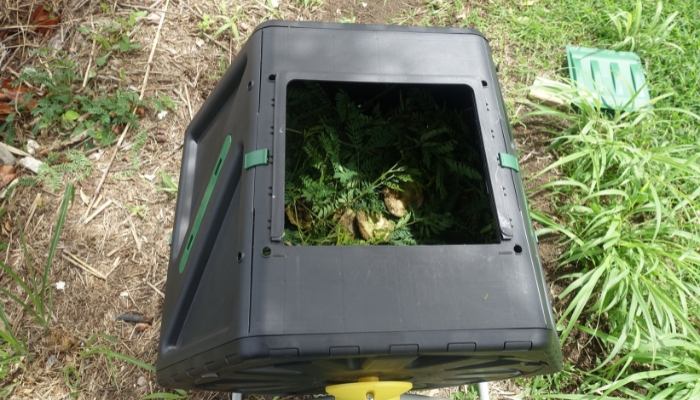
Enhanced Pest and Disease Control:
Healthy, compost-fed soil develops robust microbial communities that naturally suppress pathogens. Consequently, your crops become more resilient against pests and diseases.

Sustainability:
The composting process completes nature's cycle by returning organic materials to the earth. This sustainable practice reduces landfill waste while closing your farm's nutrient loop.